


Are casinos designed to keep you playing longer?
The Psychology of Casino Design
Casinos are meticulously designed with the aim of creating an immersive environment that encourages players to stay longer and engage more deeply with the offerings. This strategic architecture often employs elements such as vibrant colors, engaging lighting, and enticing sounds which stimulate the senses. For instance, the use of bright lights and sound effects in slot machines can evoke a sense of excitement and urgency, making players feel more inclined to continue playing at an australian neosurf casino where the atmosphere is always buzzing. This sensory overload can create a euphoric atmosphere that reinforces the desire to stay longer.
Moreover, the layout of gaming floors is intentionally crafted to disorient players, allowing them to lose track of time and space. By placing machines and tables in a maze-like formation, casinos can keep players from easily finding exits or recognizing how much time has lapsed. Many casinos also utilize low ceilings and warm colors to create a cozy environment that makes the space feel intimate, further enticing people to settle in for extended periods of play.
Another psychological tactic used in casino design is the concept of loss aversion, where players feel a stronger emotional response to losing money than to winning. Casinos capitalize on this by ensuring that players often receive small wins, which can create the hope of a larger payout. This strategy keeps players engaged, as they often believe they are on the verge of a big win, compelling them to stay longer and invest more time and money into the experience.
The Role of Rewards and Incentives
Rewards programs play a significant role in the casino experience, as they are designed to encourage players to return and maintain their gaming habits. These loyalty programs often provide players with points for every dollar wagered, which can later be redeemed for complimentary items such as meals, hotel stays, or even cash. Such incentives can create a sense of commitment, as players feel they are “earning” something with each visit, which can lead to longer playtimes. Additionally, the allure of earning higher status within these programs can motivate players to spend more time at the casino.
Moreover, the use of instant rewards, such as free drinks or snacks while playing, can create a sense of hospitality that enhances the overall experience. This approach keeps players comfortable and engaged, as they associate a pleasant atmosphere with their time spent gambling. By providing these amenities for free, casinos leverage the psychological principle of reciprocity, where players feel compelled to give back to the casino by continuing to gamble longer.
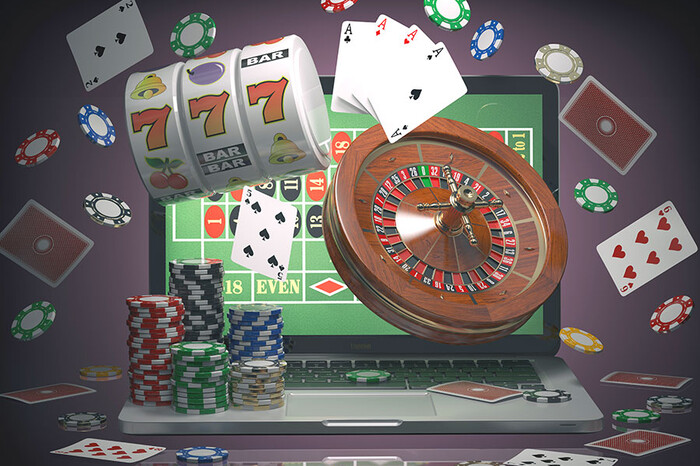
The “near miss” effect is another incentive that casinos use to sustain player engagement. This phenomenon occurs when a player comes close to winning but ultimately does not, which can create a motivation to try again. Machine design typically incorporates this effect by presenting scenarios where players feel they could have won with just one more spin or one more card. Casinos recognize that such experiences can lead to increased playtime, as players are driven by the desire to finally achieve a win that feels just out of reach.
The Importance of Ambience and Atmosphere
The ambience within a casino has a profound impact on players’ experiences and decisions. Factors such as music, lighting, and even scent can greatly influence mood and behavior. For example, many casinos play upbeat music to create an energetic and lively atmosphere that encourages excitement and movement. This carefully curated soundscape can lead to players feeling more upbeat and willing to engage in prolonged play. Additionally, the scent of freshly brewed coffee or baked goods can enhance comfort, making players more likely to stay longer rather than seek food elsewhere.
Furthermore, the creation of comfortable seating areas and designated smoking zones can contribute to a player’s overall comfort. When players feel physically comfortable, they are less likely to leave and more inclined to continue their gaming experience. Casinos often incorporate plush seating and ample space so players can remain in one spot without feeling cramped or rushed. The convenience of having food and drink services nearby minimizes interruptions, allowing players to maintain their focus on gaming.
Casinos also strategically plan their operating hours, often remaining open 24/7 to accommodate all types of players. This continuous access creates a sense of freedom and flexibility, allowing players to come and go as they please. Such availability can sometimes lead to the illusion of having more control over their time spent gambling, even when the reality is that these environments are meticulously designed to keep them engaged for as long as possible.
The Social Aspect of Casino Gaming
Another critical element that convinces players to extend their time in casinos is the social aspect of gaming. Many players enjoy the interaction that comes with table games, where they can engage with dealers and other players. This social environment can create a sense of camaraderie and competition, making the gaming experience more enjoyable and enticing. Casinos often host tournaments or events that gather players together, fostering a community atmosphere that encourages participation and longer play.

The presence of alcohol can also enhance the social ambiance within casinos. Many establishments offer complimentary drinks to players, inducing a more relaxed state of mind that makes people more likely to continue gambling. As players enjoy their beverages and socialize, they may become less conscious of the time spent in the casino, which can lead to extended sessions of play. This combination of social interaction and alcohol can sometimes lead to a blurring of boundaries regarding responsible gambling.
Additionally, casinos often create themed events or promotions that incorporate festive elements, drawing crowds and encouraging socialization. For example, during holiday seasons, special decorations and themed games may entice players to gather, creating a lively atmosphere. This not only keeps existing players engaged but also attracts new patrons who may want to experience the fun and excitement that comes with a collective gaming experience.
Conclusion and Reflection on Casino Design
In conclusion, it is evident that casinos are designed with a comprehensive strategy focused on encouraging players to stay longer and engage more deeply. From the thoughtful layout and ambient design to the psychology behind rewards and social dynamics, each element plays a crucial role in this phenomenon. While many players enter casinos seeking entertainment and excitement, they may find themselves entrapped in a system that thrives on their extended engagement.
As players become more aware of these design strategies, it’s essential for them to exercise caution and maintain balance in their gambling experiences. Recognizing the psychological factors at play can empower individuals to make informed decisions while enjoying the excitement of gaming. Ideally, this awareness should lead to healthier approaches to gambling, allowing for enjoyment without succumbing to the traps embedded within casino designs.
Being informed about these strategies is key to maintaining a balanced approach to gambling. Understanding the various components that encourage extended play can help players recognize their own behaviors and motivations. Ultimately, the responsibility lies with each individual to enjoy the gaming experience while being vigilant of the tactics designed to keep them playing longer.